You cannot edit this Postr after publishing. Are you sure you want to Publish?
Experience reading like never before
Read in your favourite format - print, digital or both. The choice is yours.
Track the shipping status of your print orders.
Discuss with other readersSign in to continue reading.

"It was a wonderful experience interacting with you and appreciate the way you have planned and executed the whole publication process within the agreed timelines.”
Subrat SaurabhAuthor of Kuch Woh PalWe do not know how to die. Modern secular culture has removed death from the centre of life and left us with almost nothing to draw on when it arrives.
This book draws on two sources rarely brought together: contemporary neuroscience on what the dying brain actually does, and the accumulated wisdom of Buddhist traditions that have been thinking carefully about death for two and a half millennia. The dying person is still present, still receiving, still being shaped by what surrounds them. The traditions have known this for centuries. The neuroscience is now confirming it.
Four traditions are examined in depth. Tibetan Vajrayana provides a detailed map of the dying process and specific practices for those who sit with the dying and the recently dead. Japanese Pure Land offers a complete release from the requirement to perform at the moment of death. Korean Zen kido is sustained collective chanting for the dead, giving grief something active to do across the forty-nine days. Theravada trains the mind directly in the perceptual encounter with impermanence. Chinese Pure Land and Zen death culture are explored as additional perspectives, each offering something the others do not.
Written from the inside, by a practitioner with more than two decades across these traditions. No prior Buddhist knowledge required.
It looks like you’ve already submitted a review for this book.
Write your review for this book (optional)
Review Deleted
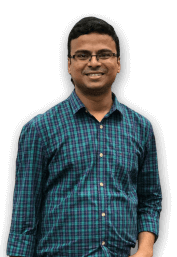
Your review has been deleted and won’t appear on the book anymore.Joy Bose
Joy Bose is a researcher, author, and data scientist based in Bengaluru, India. He has practiced across more than two decades in the Tibetan Nyingma, Japanese Pure Land, Korean Zen, and Theravada Buddhist traditions. Forty-Nine Days is his first book on contemplative practice and dying.
India
Malaysia
Singapore
UAE
The items in your Cart will be deleted, click ok to proceed.